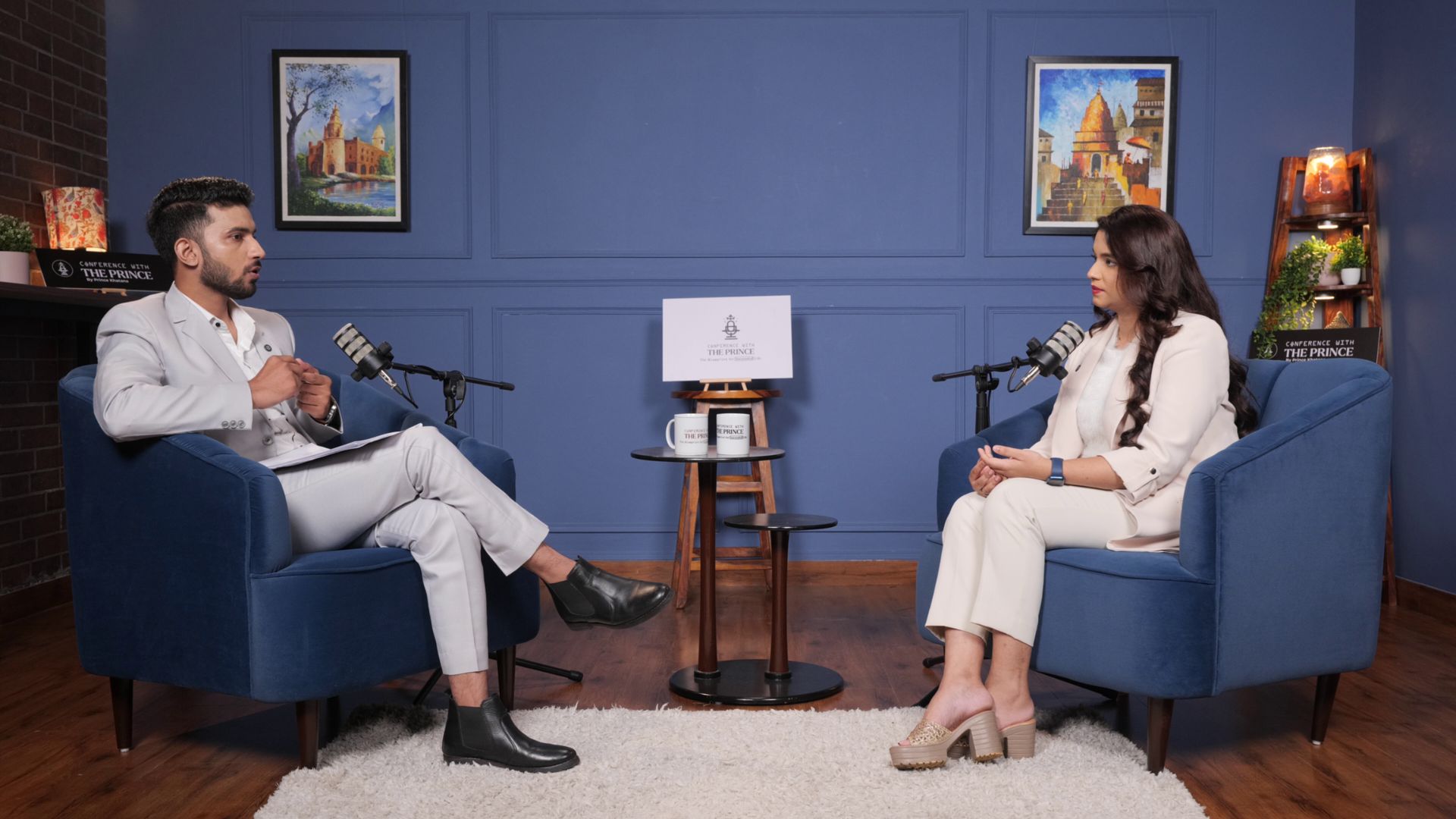
That gap between what people believe about their skin and what dermatologists actually recommend is what led Prince Khatana, Healthcare Media Entrepreneur and Founder of Dr. Graphical™, to sit down with Dr. Shivani, MD Dermatologist, for a long-form conversation on his healthcare podcast.
The result was one of those rare conversations where you learn something that genuinely changes how you think.
Meet Dr. Shivani: Evidence-Based Dermatology in Practice
Dr. Shivani is a practising MD Dermatologist with years of clinical experience treating patients with acne, pigmentation, anti-aging concerns, and hair loss. What distinguishes her approach is not just her clinical training — it is her commitment to patient education.
She sees patients who arrive at her clinic already convinced of a diagnosis they found on Instagram. She sees people who have spent thousands on products that made their skin worse. And she has spent years untangling misinformation — one patient at a time.
This podcast conversation gave her a wider audience to share that same clarity.

Why Skincare Misinformation Is Growing — and Why It Matters
Prince opened the conversation by asking a direct question: why do people trust unqualified skincare advice online over a trained dermatologist? Dr. Shivani's answer was thoughtful. Algorithms reward engagement, not accuracy. A dramatic before-and-after photo gets more views than a nuanced explanation of why a product works only for specific skin types. People want quick answers, and social media provides them — even when those answers are wrong.
The consequences are real. Patients come in with worsened conditions. Some have developed sensitivities from overusing active ingredients they read about on a blog. Others have delayed treatment for months because a home remedy they tried had not worked.
This is not a small problem. It is a pattern that qualified dermatologists encounter regularly.
Biggest Skincare Myths Dr. Shivani Addressed
The conversation covered several widely held beliefs that Dr. Shivani gently but firmly corrected.
- Natural always means safe. This is one of the most common misconceptions she encounters. Many natural ingredients — lemon juice, baking soda, raw honey — can irritate or damage skin when used without guidance. Natural origin does not equal clinical safety.
- Expensive products are more effective. Price is not a reliable indicator of quality in skincare. What matters is formulation, ingredient concentration, and whether a product is suited to your specific skin type and concern.
- Oily skin does not need moisturiser. Skipping moisturiser on oily skin can actually trigger more oil production as the skin tries to compensate for dehydration. Hydration and oil control are different things.
- You only need sunscreen when it is sunny. UV damage happens regardless of cloud cover. This remains one of the most consistent pieces of dermatologist recommended skincare advice — daily sunscreen use is non-negotiable for skin health.
- Acne is caused by poor hygiene. Acne has multiple causes — hormonal, genetic, lifestyle-related. Over-cleansing, in fact, often makes acne worse by stripping the skin barrier.
How Patients Should Evaluate Skin Advice Online
Prince Khatana asked one of the more practical questions of the episode: how should someone without a medical background decide what skincare information is trustworthy?
Dr. Shivani's answer was clear. Look for qualified professionals — licensed dermatologists and trained physicians — not influencers or unverified accounts. Be sceptical of dramatic claims. If someone promises a result in 3 days, that is a signal to pause. And when in doubt, consult a doctor before trying something new, particularly if you have sensitive or reactive skin.
She also noted something important: a recommendation that works for one person's skin type may not work for another. Skincare is individual. What social media cannot account for is the variation in skin types, conditions, and medical histories that a dermatologist evaluates during consultation.
Key Takeaways from the Conversation
A few things stood out from this dermatologist podcast conversation:
- Dermatologist advice is personalised. Generalised tips online are not.
- Consistency matters more than the number of products you use.
- Hair care myths are just as common as skincare myths — and just as damaging.
- Anti-aging skincare works best when started early, not as a corrective measure.
- Pigmentation and acne treatment require patience. Quick results are rarely sustainable.
About Prince Khatana and the Dr. Graphical Healthcare Podcast
Prince Khatana is a Healthcare Media Entrepreneur and Founder of Dr. Graphical™, a healthcare communication company based in New Delhi. Over the past several years, he has hosted more than 150 long-form podcast conversations with doctors, healthcare founders, and medical experts across India.
The podcast is not entertainment. It is education. The goal is to make qualified medical knowledge accessible to the people who need it — patients, caregivers, and anyone trying to make better decisions about their health. Prince has often said: "The problem was never a lack of medical expertise. The challenge was helping people understand it."
This conversation with Dr. Shivani is a strong example of what healthcare podcasting can be when it is driven by education, not virality.
Watch the Full Podcast
The full conversation with Dr. Shivani is available on the Conference with Prince Khatana. Watch it for the complete discussion on skincare myths, dermatologist-recommended skincare, hair care advice, and how to identify trustworthy skin health information online.